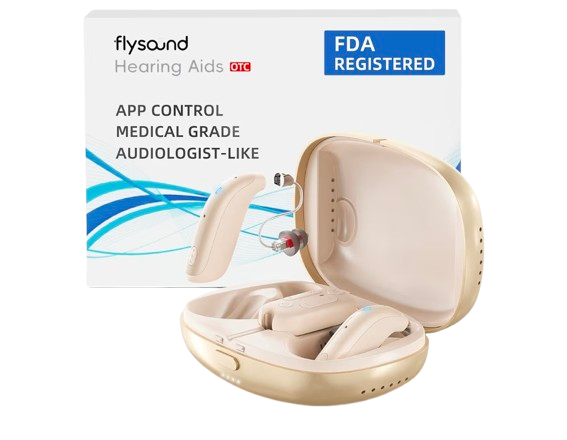
Hearing aids are small electronic devices designed to improve hearing by amplifying sound for individuals with hearing loss. They are typically worn in or behind the ear and consist of a microphone, amplifier, and speaker that work together to deliver clearer audio. Modern hearing aids use advanced digital technology to filter background noise and enhance speech clarity, making conversations easier to follow. These devices are available in different styles such as behind-the-ear (BTE), in-the-ear (ITE), and completely-in-canal (CIC), allowing users to choose based on comfort and discretion. Many hearing aids now come with wireless connectivity, enabling them to connect with smartphones, televisions, and other devices for a seamless listening experience. Rechargeable batteries have also become common, eliminating the need for frequent battery replacement. Hearing aids can be customized to suit different levels of hearing loss, ensuring personalized performance. They are especially helpful in social settings, allowing users to engage confidently in conversations. Some models include directional microphones that focus on sounds coming from a specific direction. Noise reduction features help minimize unwanted background sounds, improving overall sound quality. Advanced models may also offer tinnitus masking features for individuals experiencing ringing in the ears. Lightweight and ergonomic designs ensure comfort during extended use throughout the day. Hearing aids play a crucial role in improving communication, emotional well-being, and overall quality of life. They are suitable for both adults and children with hearing impairments. Regular adjustments and maintenance are important to keep them functioning effectively. Despite their benefits, users may need some time to adjust to amplified sounds. Proper fitting by a professional ensures optimal performance and comfort.
Pros:
Hearing aids significantly improve hearing ability and communication skills.
They enhance social interaction and reduce feelings of isolation.
Modern devices offer advanced features like noise cancellation and Bluetooth connectivity.
They are available in discreet and comfortable designs.
Rechargeable options provide convenience and ease of use.
Cons:
Hearing aids can be expensive, especially advanced models.
They require regular maintenance and occasional adjustments.
Some users may find them uncomfortable initially.
Background noise may still be noticeable in certain environments.
They depend on battery life or charging, which can be inconvenient if not managed properly.



Reviews
There are no reviews yet.